

Description
Directions for use in horses
Ideal as a protective filler to be applied under the hoof, particularly beneath shoes with pads, to fill empty spaces and prevent the accumulation of debris and moisture.
It can also be applied directly to the sole and frog after thorough cleaning and drying.
Components and Actions
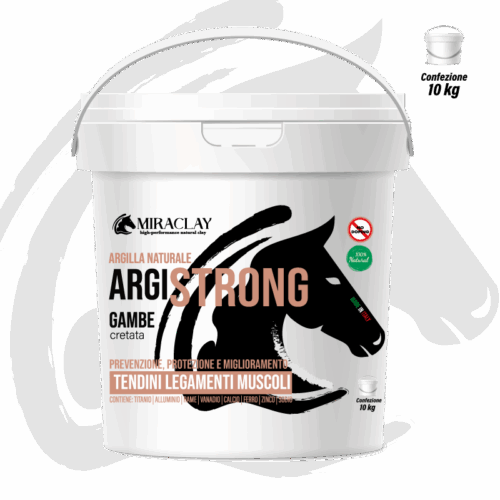
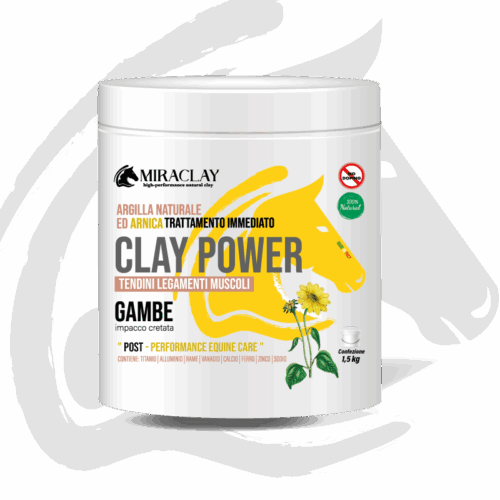
Micronized mineral clay
A natural material with high absorbent and remineralizing power. It acts as an “intelligent sponge”: it absorbs excess moisture and releases beneficial minerals (silicon, magnesium, calcium) that strengthen the keratin structure of the hoof. It helps maintain the horn’s optimal moisture balance, preventing it from becoming too dry or too soft—two conditions that can lead to cracks, thrush, or bacterial infections.
Pine vegetable tar
A natural antiseptic and fungistatic substance widely used in veterinary medicine for its ability to limit microbial growth in damp environments. It forms an adhesive protective film that shields the hoof from mud, urine, manure, and impurities, reducing the risk of anaerobic infections (e.g., sole and frog rot). Its sealing action blocks the entry of pathogens while maintaining semi-permeable breathability, supporting the hoof’s natural physiological functions.
Method of Application
Clean the sole and frog thoroughly, removing all dirt and necrotic material. Apply the compound manually (wearing gloves) and shape it to ensure complete adhesion to the surface.
If applied without a pad, allow it to set for about 5 minutes so the compound can adhere properly to the solar horn (the technical term for the sole surface).
After application, the horse can be returned to its stall. During the adhesion period, the tar will form a protective surface film, while the outer layer will gradually detach naturally over time.
Physical Proprieties of the mixture
The plastic consistency allows for perfect mechanical adhesion to the cavities of the sole and frog.
It conforms to the anatomical shape of the hoof, filling the gaps between the sole and the pad, and creates a protective barrier that is stable yet flexible.
This balance allows the hoof to maintain its natural elasticity and biomechanical function.
Why use it: benefits for every professional
For the Farrier
Facilitates the management of shoes with pads or silicone by filling gaps and improving load distribution.
Prevents the accumulation of debris and moisture under the pad, a common cause of bacterial infections and unpleasant odors.
Helps keep the sole clean, elastic, and physiologically active.
For the Veterinarian
Useful as a support in managing conditions such as frog rot, dryness or softening of the sole, chronic laminitis, or horses with poor horn growth.
Reduces environmental microbial load and promotes faster healing of keratinized tissues.
The combination of absorption and mechanical barrier helps control moisture and secondary infections.
For the Rider or Owner
Keeps the hoof hygienic even in damp stalls or muddy terrain.
Improves hoof strength and functionality during daily work and competitions.
Easy to apply, safe, and natural — it does not irritate or damage the horn.